

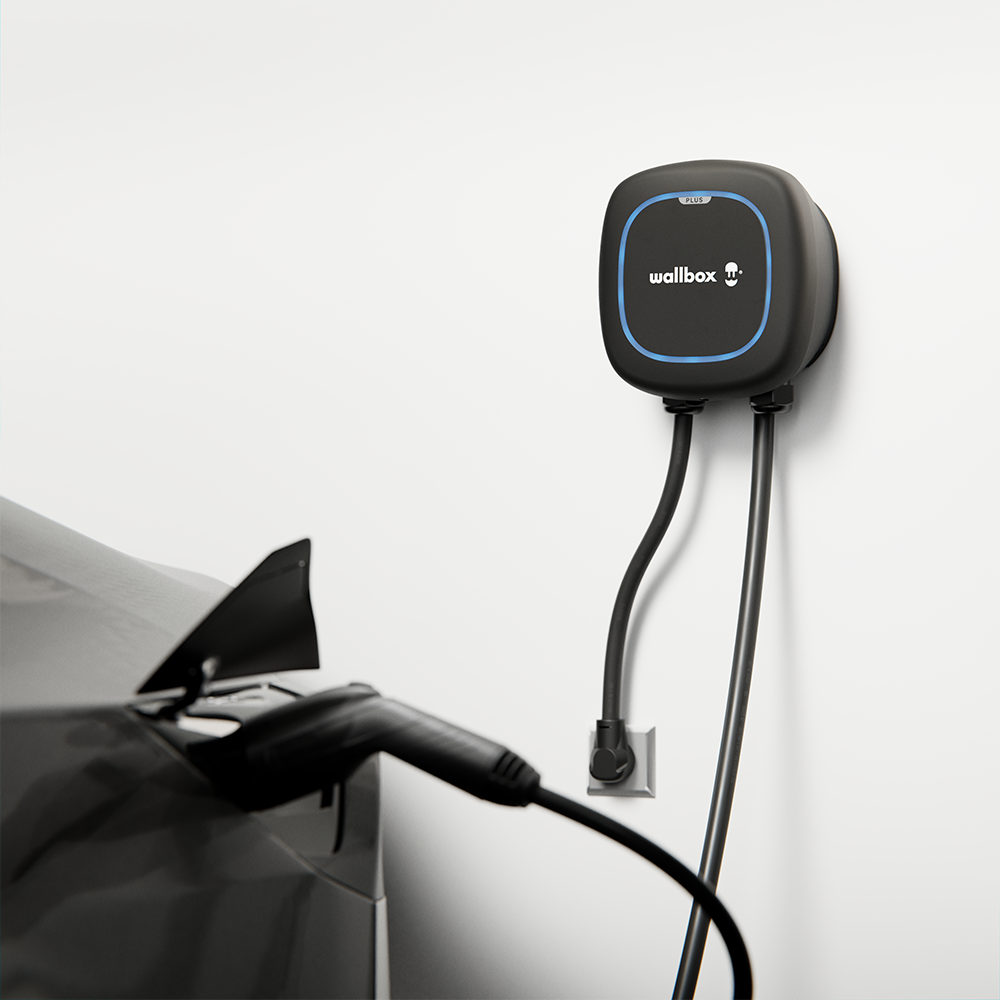
Understanding Home EV Charging
How Much Does It Cost to Charge an Electric Car?
The cost to charge an EV at home depends on three factors: your vehicle's efficiency, how much you drive, and your local electricity rate. Most EV owners spend $30-60 per month on home charging - significantly less than gasoline.
Level 1 vs Level 2 Charging: What New EV Owners Should Know
Every EV comes with a Level 1 charger that plugs into a standard 120V outlet. It works, but it's slow - adding only 3-5 miles of range per hour. A Level 2 charger (240V) adds 25-30 miles per hour, meaning you can fully charge overnight.
Is an Electric Car Cheaper Than Gas?
For most drivers, yes. Electricity costs roughly $0.04-0.06 per mile, while gasoline costs $0.10-0.15 per mile. Use our calculator above to see your specific savings.
What to Know Before Buying an EV
Consider your daily commute, home charging options, and local electricity rates. If you drive less than 200 miles per day and can charge at home, an EV likely makes financial sense.
How Long Does It Take to Charge an EV at Home?
Charging time depends on your charger type and battery size. A Level 1 charger (standard 120V outlet) adds just 3-5 miles of range per hour — a full charge can take 40-50+ hours. A Level 2 charger (240V) adds 25-30 miles per hour, fully charging most EVs in 4-10 hours. Most EV owners plug in before bed and wake up to a full battery — no trips to the gas station needed.
How Much Does It Cost to Install a Level 2 Charger?
Professional installation of a Level 2 home charger typically costs $500-2,000, depending on the distance from your electrical panel and whether your panel needs an upgrade. If a panel upgrade is needed, add $1,000-3,000. The good news: many utilities and states offer rebates that significantly offset installation costs, and the federal tax credit (up to $1,000 for charger hardware and installation) helps further. The investment typically pays for itself within 1-2 years through fuel savings.
Can I Charge an EV With a Regular Outlet?
Yes — every EV includes a Level 1 charger that plugs into a standard 120V household outlet. It adds 3-5 miles of range per hour, which works fine if you drive under 30-40 miles per day. For longer commutes or larger batteries, a Level 2 (240V) charger is the better option. Many EV owners start with Level 1 and upgrade later once they see their actual charging needs.
EV Charging vs Gas Cost: A Real Comparison
At the national average electricity rate of about $0.18/kWh, a typical EV costs roughly $0.05 per mile to drive. A gas car averaging 25 MPG at $3.50/gallon costs about $0.14 per mile — nearly three times more. Over 12,000 miles per year, that works out to roughly $1,080 in annual fuel savings by going electric. Use the calculator above to see your exact savings based on your vehicle, driving habits, and local electricity rate.
What Is kWh per 100 Miles and Why Does It Matter?
kWh per 100 miles is the EV equivalent of MPG — it's the EPA's standard measure of electric vehicle efficiency. A lower number means your vehicle uses less electricity to go the same distance. Most EVs rate between 25-35 kWh/100mi. To estimate your cost per mile, multiply this number by your electricity rate. For example: 30 kWh/100mi at $0.18/kWh = $5.40 per 100 miles, or about $0.054 per mile.
Do Electric Cars Save Money? Total Cost of Ownership
In most cases, yes. Beyond the roughly 60% savings on fuel costs, EVs have significantly lower maintenance costs. There are no oil changes, transmission fluid, or spark plugs to replace. Regenerative braking means brake pads last much longer. The main ongoing costs are tires (EVs are heavier, so tires may wear slightly faster) and the occasional cabin air filter. While EVs have a higher upfront purchase price, the total cost of ownership typically breaks even within 3-5 years — and every mile after that is pure savings.